

Pause.
Why do we choose cannabis?
People use cannabis for lots of different reasons. For many, it can feel like a way to unwind, handle stress, improve sleep, or cope with tough emotions. Research shows that using cannabis to cope—especially with stress or negative feelings—is one of the most common reasons people use it.
At the same time, studies also find that when cannabis becomes a main tool for coping, it can increase the chances of using more often or experiencing cannabis‑related problems.
Learn more about how frequent and/or long-term cannabis use can have an impact on your wellbeing by exploring the stories below.
Disclaimer
The only guaranteed way to avoid the harms associated with cannabis use is to choose not to use it. If you do decide to use cannabis, you can reduce your risk by following the safer tips guidelines and developing healthier coping strategies.
MISSION SELECT
CHOOSE YOUR CHARACTER
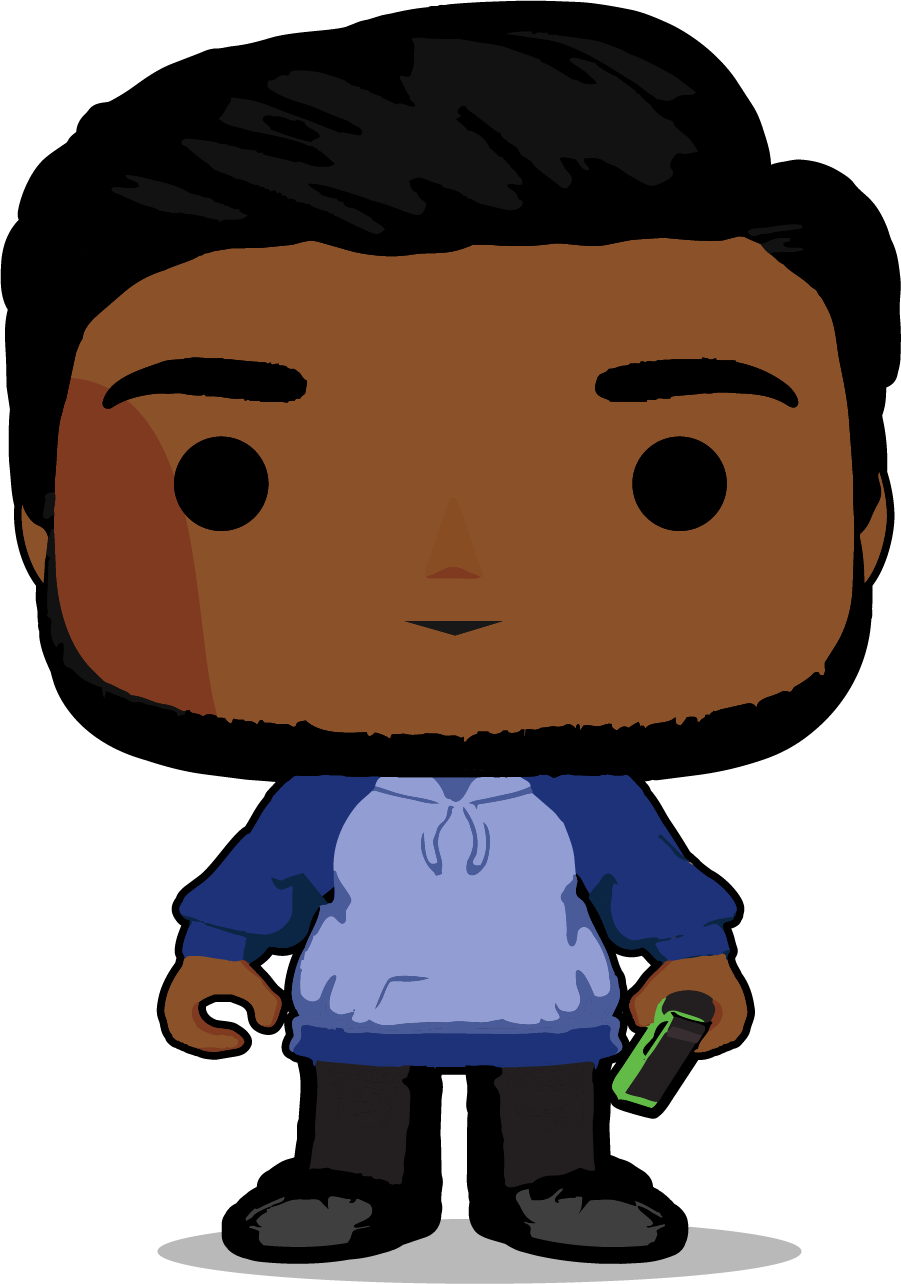
Cannabis + Sleep
Cannabis may help you fall asleep faster, but frequent use can disrupt natural sleep cycles and reduce restorative rest. Learn how cannabis affects sleep — and what works better.
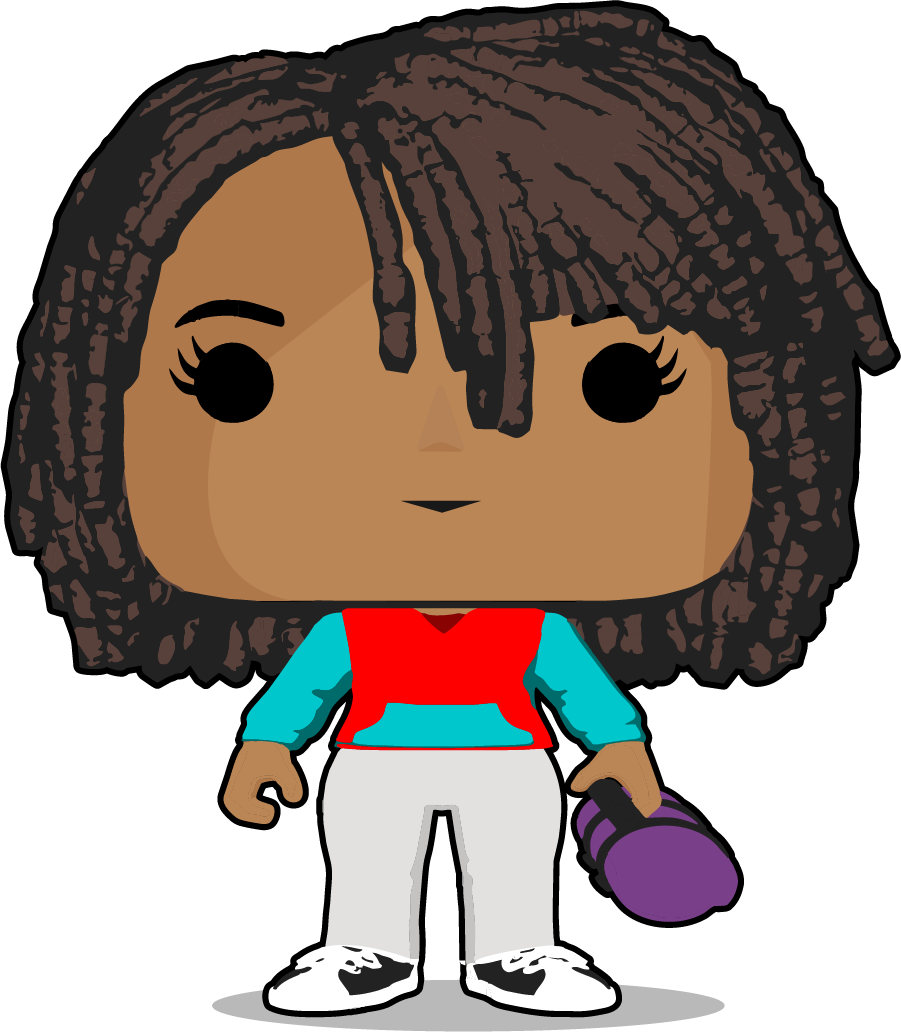
Cannabis + Dependency
Frequent or high-THC use can lead to cannabis use disorder, making it harder to cut back even when you want to. Learn about cannabis, dependence, and safer use strategies.

Cannabis + Academics
Cannabis can affect attention, motivation, and memory — especially with regular use during the school year. Learn how cannabis can impact learning — and how to protect your focus.
Cannabis + Mental Health
Cannabis can feel calming in the moment, but for many people it can increase anxiety, panic, or low mood over time. Learn how cannabis affects mental health — and what helps long-term.
Cannabis + Social Life
Using cannabis to feel included can sometimes lead to isolation or reliance on substances for social comfort. Learn how to build belonging without losing yourself.

Cannabis + Stress
Using cannabis to manage stress can block the development of skills that help you cope and recover under pressure. Learn how cannabis interacts with stress — and healthier ways to unwind.
Resources + Support
Level up your knowledge with smart, practical cannabis resources to help you make informed choices.
Cannabis + Sleep
MEET ANDRE
Andre started using cannabis at night to fall asleep, especially during stressful semesters when their mind wouldn’t shut off. At first, it seemed to help — they’d drift off faster and thought it was the only thing that worked. But over time, Andre noticed they were sleeping less deeply and waking up groggy. After learning that cannabis can sometimes disrupt longterm sleep quality, Andre decided to try healthier sleep habits instead. Now they use a calming bedtime routine, reduce screen time, and practice relaxation techniques — and they’re finally getting the real rest they were hoping for.
Did you know that frequently or long-term cannabis use may fragment sleep or reduce restorative stages, which can leave people feeling groggy over time.
Chronic daily cannabis use can be associated with more nighttime awakenings, reduced sleep efficiency, and fragmented sleep compared to nonusers. This means sleep is less restorative, which can contribute to next day tiredness or grogginess. [48]
Why this happens
Longterm cannabis use can interfere with the brain’s natural sleep regulation system. At first, THC may help someone fall asleep, but with ongoing use, the brain adjusts and becomes less responsive to it. When this happens, THC stops working as well for sleep and can lead to more disrupted, less steady sleep over time. [48]
Healthier Ways to a Good Night's Sleep
Establish a Consistent Sleep Routine; Go to bed and wake up at the same time every day, even on weekends. This will help to regulate your internal clock and makes falling asleep easier.
Create a Calming Wind Down Routine; Try relaxing activities 30–60 minutes before bed:
- Light stretching or yoga
- Reading something low stimulating (paper book rather than on a screen)
- Listening to calming music
Practice Grounding or Mindfulness
- 5‑4‑3‑2‑1 grounding exercise
- Gentle breathing exercises (like 4‑4‑4‑4 box breathing) - Free Box Breathing App
- Body scan
These techniques help settle the mind and shift out of stress mode.
- Free Box Breathing App
- Relaxation Exercises to Help Fall Asleep
- Winter Manor House (A Guided Meditation Sleep Story)
Reduce Screen Time Before Bed; Avoid phones, laptops, and TVs for at least 30 minutes before sleeping, because blue light from devices can interfere with your body’s natural sleep signals.
Build a Sleep Friendly Environment;
- Keep the room cool, dark, and quiet.
- Consider blackout curtains or a white noise machine.
- Reserve your bed for sleep (and intimacy), not work or scrolling.
Be Mindful of Caffeine and Energy Drinks; Avoid caffeinated drinks at least 6 hours before bed. Be mindful of caffeine in products other than coffee, such as teas, sodas, pre-workout drinks, and chocolate.
Cannabis + Dependency
MEET ZOEY
Zoey began using cannabis to unwind after long days, and over time it became part of their daily routine. What started as occasional use slowly turned into something they felt they needed just to feel normal. Zoey noticed they were relying on cannabis more than they wanted to, and it was affecting their motivation and mood. Realizing this wasn’t the direction they wanted for themselves, Zoey reached out for support and began building healthier habits. Now, they’re working toward balance and learning to cope without depending on cannabis.
Regular or near daily cannabis use can lead to dependence, clinically referred to as Cannabis Use Disorder (CUD)—signs include needing more to get the same effect (tolerance) and finding it hard to cut down even when use causes problems. [27]
Among people who use cannabis, about 1 in 5 may develop CUD, with higher risk for those who start young, use frequently, or prefer high THC products. [35]
When cutting back or stopping, many regular users experience withdrawal symptoms like irritability, sleep difficulty, low mood, appetite changes, or cravings, which can make quitting harder. [4]
Why this happens
Over time, THC repeatedly stimulates the brain’s cannabis receptors (CB1 receptors), which normally help control mood, stress, and motivation. With frequent use, the brain starts to adapt to this extra stimulation — meaning cannabis has a weaker effect and the person may need more to feel the same result (tolerance). [17]
Healthier Ways to Reduce your Risk of Dependency
Avoid using cannabis daily or near daily; Frequent use is one of the strongest predictors of developing CUD. Using less often—especially not daily—significantly reduces risk.
Delay starting cannabis use; People who begin using cannabis in their teens have a much higher chance of developing CUD later. Starting at an older age reduces risk.
Choose lower THC products (if using); High potency products are linked with greater likelihood of dependence, withdrawal, and mental health impacts. Using lower THC products reduces these risks. [32]
Avoid mixing cannabis with alcohol or other substances; Mixing cannabis with other substances is linked to greater negative consequences, more intense withdrawal, and higher risk of dependency.
Avoid using cannabis to cope with stress or emotions; Using cannabis for coping is strongly associated with developing CUD. [25]
Learn more about how to Build non-cannabis coping skills at each of these links:
Set personal limits and/or take regular tolerance breaks; Taking breaks—days, weeks, or months without use—prevents tolerance and helps you stay aware of your relationship with cannabis. Tolerance is a core risk factor for dependence. [17]
Recognize early warning signs; Health Canada lists early indicators of problematic cannabis use such as using more than intended, trouble cutting down, or continuing to use even when it causes problems. Catching these signs early helps prevent CUD. Click here to learn the warning signs.
Reach out for support early if use feels hard to control; Seeking support from a health professional, peer worker, or counselor can help prevent early concerns from turning into a dependency issue. Click here to view more resources for support.
Tips for Safer Cannabis Use
The only guaranteed way to avoid the harms associated with cannabis use is to choose not to use it. If you do decide to use cannabis, you can reduce your risk by following these tips from Canada’s Lower-Risk Cannabis Use Guidelines:
Choose Lower THC Products
Start with low doses of THC and go slow; it can take up to 4 hours to feel the effects, so go slow...wait before taking more.
Buy cannabis only from licensed retailers
Products from licensed retailers are quality tested and less likely to be contaminated. THC and CBD levels should be listed on the package.
Avoid Frequent use
Individuals who use cannabis daily, or almost daily, are at the highest risk for severe and long-term health problems. These include changes in the brain, mental health problems, cannabis use disorder, suicidality, and reduced educational achievement.
Avoid Mixing cannabis with alcohol and other substances
Combining cannabis with other drugs or alcohol increases impairment and health risks.
Avoid deep inhalation or holding your breath
Holding in smoke increases the levels of harmful toxins your lungs absorb.
Avoid cannabis use if you have a personal or family history of psychosis
Cannabis may trigger symptoms of psychosis or contribute to the development of a psychotic disorder particularly for those with a family history.
Do not drive or operate machinery (i.e. vehicles, bikes, skateboard, etc.) when using cannabis
Cannabis impairs reaction time and judgment and can take up to 4 hours to be felt and can last up to 12 hours or longer. Driving while under the influence of cannabis is illegal and has the same penalties as drinking and driving.
Resources + Support
Level up your knowledge with smart, practical cannabis resources to help you make informed choices.
References
Click here to view all footnotes
1. al’Absi, M., & Allen, A. (2021). Impact of acute and chronic cannabis use on stress response regulation: Challenging the belief that cannabis is an effective method for coping. Frontiers in Psychology, 12, Article 687106. https://doi.org/10.3389/fpsyg.2021.687106
2. Algonquin College. (n.d.). The Umbrella Project. https://www.algonquincollege.com/umbrella/
3. Babson, K. A., Sottile, J., & Morabito, D. (2017). Cannabis, cannabinoids, and sleep: A review of the literature. Current Psychiatry Reports, 19, 23. https://doi.org/10.1007/s11920-017-0775-9 [drugs.com]
4. Bahji, A., Stephenson, C., Tyo, R., Hawken, E. R., & Seitz, D. P. (2020). Prevalence of cannabis withdrawal symptoms among people with regular or dependent use of cannabinoids: A systematic review and meta-analysis. JAMA Network Open, 3(4), e202370. https://doi.org/10.1001/jamanetworkopen.2020.2370
5. Blanco, C., Hasin, D. S., Wall, M. M., Flórez-Salamanca, L., Hoertel, N., Wang, S., Kerridge, B. T., & Olfson, M. (2016). Cannabis Use and Risk of Psychiatric Disorders: Prospective Evidence From a US National Longitudinal Study. JAMA Psychiatry, 73(4), 388–395. doi:10.1001/jamapsychiatry.2015.3229
6. Bonar, E. E., Walton, M. A., Carter, P. M., et al. (2022). Longitudinal within- and between-person associations of substance use, social influences, and loneliness among adolescents and emerging adults who use drugs. Psychology of Addictive Behaviors, 36(8), 818–829. https://doi.org/10.1037/adb0000804
7. Bonar et al. (2022/2023). Longitudinal within and between person associations of substance use, social influences, and loneliness among adolescents and emerging adults who use drugs. Addiction Research & Theory, 30(4), 262–267.
8. Boton, E., & Sarrazin, J. (2023). Study of the association between cannabis use and sleep disturbances in a large sample of university students. Psychiatry Research, 322, 115096. https://doi.org/10.1016/j.psychres.2023.115096
9. Bourque, J., & Potvin, S. (2021). Cannabis and cognitive functioning: From acute to residual effects, from randomized controlled trials to prospective designs. Frontiers in Psychiatry, 12, 596601. https://doi.org/10.3389/fpsyt.2021.596601
10. Buckner, J. D., & Zvolensky, M. J. (2014). Motives matter: Cannabis use motives moderate the associations between stress and negative affect. Addictive Behaviors, 39(12), 1940–1946. https://doi.org/10.1016/j.addbeh.2014.07.021
11. Buckner, J. D., & Zvolensky, M. J. (2021). Motives matter: Cannabis use motives moderate the associations between stress and negative affect. Addictive Behaviors, 117, 106846. https://doi.org/10.1016/j.addbeh.2021.106846
12. Broyd, S. J., van Hell, H. H., Beale, C., Yücel, M., & Solowij, N. (2023). Cognitive effects of cannabis use: A comprehensive review across domains. Neurology International, 15(1), 1–20. https://doi.org/10.3390/neurolint15010001
13. Canadian Centre on Substance Use and Addiction. (n.d.). Homepage. https://www.ccsa.ca/
14. Carleton University. (n.d.). Safer use strategies – Mental health and wellness. https://carleton.ca/wellness/safer-use-strategies/
15. Centre for Addiction and Mental Health. (2023). How to do grounding exercises for anxiety and overwhelm [Video]. YouTube. https://www.youtube.com/watch?v=FAllRKocaJ8 [youtube.com]
16. Canadian Centre on Substance Use and Addiction. (n.d.). Cannabis. https://www.ccsa.ca/en/guidance-tools-resources/substances/cannabis
17. Connor, J. P., Stjepanović, D., Le Foll, B., Hoch, E., Budney, A. J., & Hall, W. D. (2021). Cannabis use and cannabis use disorder. Nature Reviews Disease Primers, 7, 16. https://doi.org/10.1038/s41572-021-00247-4
18. D’Angelo, M., & Steardo, L., Jr. (2024). Cannabinoids and sleep: Exploring biological mechanisms and therapeutic potentials. International Journal of Molecular Sciences, 25(7), 3603. https://doi.org/10.3390/ijms25073603
19. Dyar, C., Curtis, J., & Lee, C. M. (2025). Multiple motives for cannabis use: Identifying common motive combinations and exploring differences across combinations. Journal of Cannabis Research, 7, Article 105. https://doi.org/10.1186/s42238-025-00362-z
20. Deep Breathing Exercises. (2026). Free online box breathing timer (4444) — Navy SEAL calm (no download). https://deepbreathingexercises.com/box-breathing-app
21. First Nations Health Authority. (n.d.). Safer cannabis use. Retrieved December 19, 2025, from https://www.fnha.ca/what-we-do/mental-wellness-and-substance-use/non-medical-cannabis/safer-cannabis-use
22. Gex, K. S., Gückel, T., Wilson, J., Ladd, B. O., & Lee, C. M. (2024). Why people use cannabis and why it matters: A narrative review. Current Addiction Reports. https://doi.org/10.1007/s40429-024-00599-3
23. Government of Canada. (n.d.). Lower-risk cannabis use guidelines. Health Canada. https://www.canada.ca/en/health-canada/services/drugs-medication/cannabis/resources/lower-risk-cannabis-use-guidelines.html
24. Gowin, J. L., Ellingson, J. M., Karoly, H. C., Manza, P., Ross, M., Sloan, M. E., Tanabe, J. L., & Volkow, N. D. (2025). Brain function outcomes of recent and lifetime cannabis use. JAMA Network Open, 8(1), e2457069. https://doi.org/10.1001/jamanetworkopen.2024.57069
25. Grigsby, T. J., Lopez, A., Albers, L., Rogers, C. J., & Forster, M. (2023). A scoping review of risk and protective factors for negative cannabis use consequences. Substance Abuse: Research and Treatment, 17, 1–16. https://doi.org/10.1177/11782218231166622
26. Health Canada. (2025, October 27). Addiction to cannabis. Government of Canada. https://www.canada.ca/en/health-canada/services/drugs-medication/cannabis/health-effects/addiction.html
27. Health Canada. (2025, October 27). Cannabis and mental health. Government of Canada. https://www.canada.ca/en/health-canada/services/drugs-medication/cannabis/health-effects/mental-health.html
28. Health Canada. (2025). Cannabis and mental health. Government of Canada. https://healthcanadaexperiences.ca/programs/reduce-your-risk/cannabis-and-mental-health/
29. Health Canada. (2018, October 4). Does cannabis use increase the risk of developing psychosis or schizophrenia? Government of Canada. https://www.canada.ca/en/health-canada/services/publications/drugs-health-products/does-cannabis-use-increase-risk-developing-psychosis-schizophrenia.html
30. Hill, K. P. (2022, June 14). Cognitive effects of long-term cannabis use in midlife. Harvard Health Blog. Harvard Health Publishing. https://www.health.harvard.edu/blog/cognitive-effects-of-long-term-cannabis-use-in-midlife-202206142760
31. Here to Help. (n.d.). Safer cannabis use: Marijuana, hash, hash oil. Retrieved December 19, 2025, from https://www.heretohelp.bc.ca/infosheet/safer-cannabis-use-marijuana-hash-hash-oil
32. Hoch, E., Volkow, N. D., Friemel, C. M., Lorenzetti, V., Freeman, T. P., & Hall, W. (2025). Cannabis, cannabinoids and health: A review of evidence on risks and medical benefits. European Archives of Psychiatry and Clinical Neuroscience, 275, 281–292. https://doi.org/10.1007/s00406-024-01880-2
33. Humphreys, J., & Atkinson, C. (2025). Adolescent cannabis use: Motives, frequency and consequences — A systematic literature review. Journal of Child & Adolescent Substance Use, 30(3), 83–102. https://doi.org/10.1080/29973368.2025.2458854
34. Kolla, B. P., Hayes, L., Cox, C., Eatwell, L., DeyoSvendsen, M., & Mansukhani, M. P. (2022). The effects of cannabinoids on sleep. Journal of Primary Care & Community Health, 13, 1–?. https://doi.org/10.1177/21501319221081277 [sciencedaily.com]
35. Leung, J., Chan, G. C. K., Hides, L., & Hall, W. D. (2020). What is the prevalence and risk of cannabis use disorders among people who use cannabis? A systematic review and meta-analysis. Addictive Behaviors, 109, 106479. https://doi.org/10.1016/j.addbeh.2020.106479
36. Lichenstein, S. D. (2022). THC, CBD, and Anxiety: A Review of Recent Findings on the Anxiolytic and Anxiogenic Effects of Cannabis’ Primary Cannabinoids. Current Addiction Reports, 9, 473–485. https://doi.org/10.1007/s40429-022-00450-7
37. Meier, M. H., Caspi, A., Ambler, A., Harrington, H., Houts, R., Keefe, R. S. E., McDonald, K., Ward, A., Poulton, R., & Moffitt, T. E. (2022). Long-term cannabis use and cognitive deficits: A 25-year prospective study. American Journal of Psychiatry, 179(2), 96–105. https://doi.org/10.1176/appi.ajp.2021.21030330
38. North Bay Parry Sound District Health Unit. (n.d.). Cannabis. My Health Unit. Retrieved December 19, 2025, from https://www.myhealthunit.ca/en/health-topics/cannabis.aspx
39. North Bay Parry Sound District Health Unit. (n.d.). Reducing the risks with edibles. https://www.myhealthunit.ca/en/health-topics/reducing-the-risks-with-edibles.aspx
40. North Bay Parry Sound District Health Unit. (n.d.). Substance use. Retrieved from https://www.myhealthunit.ca/en/health-topics/substance-use.asp
41. Radhakrishnan, R., Wilkinson, S. T., & D’Souza, D. C. (2014). Gone to pot – A review of the association between cannabis and psychosis. Frontiers in Psychiatry, 5, 54. https://doi.org/10.3389/fpsyt.2014.00054
42. Rein, M., Cannon, M., Gorday, J., & Macatee, R. (2024). Distress tolerance, anxiety sensitivity, and the use of cannabis as a coping mechanism. Auburn University Journal of Undergraduate Scholarship.
43. Rhew, I. C., Cadigan, J. M., Guttmannova, K., Caouette, J. D., Kuklinski, M. R., & Oesterle, S. (2025). The longitudinal relationship of loneliness with frequency and problematic use of alcohol and cannabis among young adults. Journal of Adolescent Health, 77(5), 917–923.
44. Scott, J. C., Slomiak, S. T., Jones, J. D., Rosen, A. F. G., Moore, T. M., & Gur, R. C. (2018). Association of cannabis with cognitive functioning in adolescents and young adults: A systematic review and meta-analysis. JAMA Psychiatry, 75(6), 585–595. https://doi.org/10.1001/jamapsychiatry.2018.0335
45. Sleep Cove (Producer). (2026, February 5). The winter manor house – A guided meditation sleep story [Audio podcast episode]. In Guided Sleep Meditation & Sleep Hypnosis from Sleep Cove. Podfollow. https://podfollow.com/guided-sleep-meditation-sleep-hypnosis-from-sleep-cove/episode/dfcb804c4de14e34ef01e0ee21d51c2dde058e08/view
46. Sleep Foundation. (n.d.). Relaxation exercises to help fall asleep. https://www.sleepfoundation.org/sleep-hygiene/relaxation-exercises-to-help-fall-asleep [sleepfoundation.org]
47. Spradlin, A., & Cuttler, C. (2019). Problems associated with using cannabis to cope with stress. Cannabis, 2(1), 29–38. [psychologytoday.com]
48. Velzeboer, R., Wei, S., & Lai, W. W. K. (2025). Chronic cannabis use and sleep architecture: A cross-sectional analysis of polysomnography outcomes in a sleep-clinic cohort. Sleep. https://doi.org/10.1093/sleep/zsaf396
49. Volkow, N. D., Baler, R. D., Compton, W. M., & Weiss, S. R. B. (2014). Adverse health effects of marijuana use. New England Journal of Medicine, 370(23), 2219–2227. https://doi.org/10.1056/NEJMra1402309
50. Winiger, E. A., Hitchcock, L. N., Bryan, A. D., & Bidwell, L. C. (2021). Cannabis use and sleep: Expectations, outcomes, and the role of age. Addictive Behaviors, 112, Article 106642. https://doi.org/10.1016/j.addbeh.2020.106642
51. World Health Organization. (2016). Mental health and psychosocial outcomes of long-term cannabis use. In The health and social effects of nonmedical cannabis use (pp. 47–58). World Health Organization. https://www.who.int/publications/i/item/9789241510240

Cannabis + Social Life
MEET EMMA
Emma started using cannabis mainly because it was what their friend group did whenever they hung out. It felt easier to join in than to be the only one saying no. Over time, though, Emma realized they were using cannabis more out of pressure and habit than enjoyment. Wanting to feel more like themselves in social situations, Emma began setting small boundaries and finding ways to stay connected with friends without always joining in. Now they’re learning to enjoy their social time on their own terms — not just because everyone else is doing it.
For many people—especially teens and young adults—cannabis use can start as a social strategy: a way to fit in, avoid rejection, or make social situations feel easier.
Over time, though, the picture can flip and multiple studies link cannabis use—particularly continued or heavier use—with greater loneliness suggesting a now versus later trade off. Cannabis may feel like a quick way to belong “in the moment,” but long-term or frequent use is linked to greater feelings of isolation, potentially creating a cycle where loneliness and use reinforce one another. [7, 43]
Why this happens
Over time, relying on cannabis to manage emotions can reduce natural coping skills and increase dependence on isolated use, widening the gap between the person and meaningful social connection.
Long-term or frequent cannabis use can interfere with motivation, mood regulation, and daily functioning. When motivation drops, social engagement also tends to decrease, leading to more time spent alone and fewer meaningful interactions. [27]
Frequent or long-term cannabis use is also linked to increased anxiety, including social anxiety, which can make it even harder to show up socially or stay connected. Over time, these combined effects can contribute to greater feelings of isolation and loneliness, even if cannabis initially felt like a way to relax, fit in, or feel more comfortable around others.
These factors contribute to a cycle: Less Social Activity > Increased Loneliness > More Cannabis Use to Cope > Even Less Social Connection. [43]
Healthier Ways to Fit In
Find people with shared interests; Join clubs, teams, gaming groups, art spaces, volunteer groups, or student associations where people naturally bond over activities instead of substances.
Explore activities that boost self-esteem & your authentic self
Build "micro connections"; Say hi to familiar faces, compliment someone’s hoodie, or ask a small question. Little interactions stack up into stronger social belonging.
Bring a friend along to new spaces; Entering social situations with even one familiar person reduces pressure to “blend in” through substance use.
Set boundaries ahead of time; Plan phrases like:
Knowing what to say keeps you from feeling caught off guard.
Connect with people who respect your choices; Healthy friendships support your well-being—not your willingness to use.
Try replacement behaviors in group settings; Hold a drink, fidget with something, or stay engaged in conversation—these reduce the social urge to use substances just to feel included.